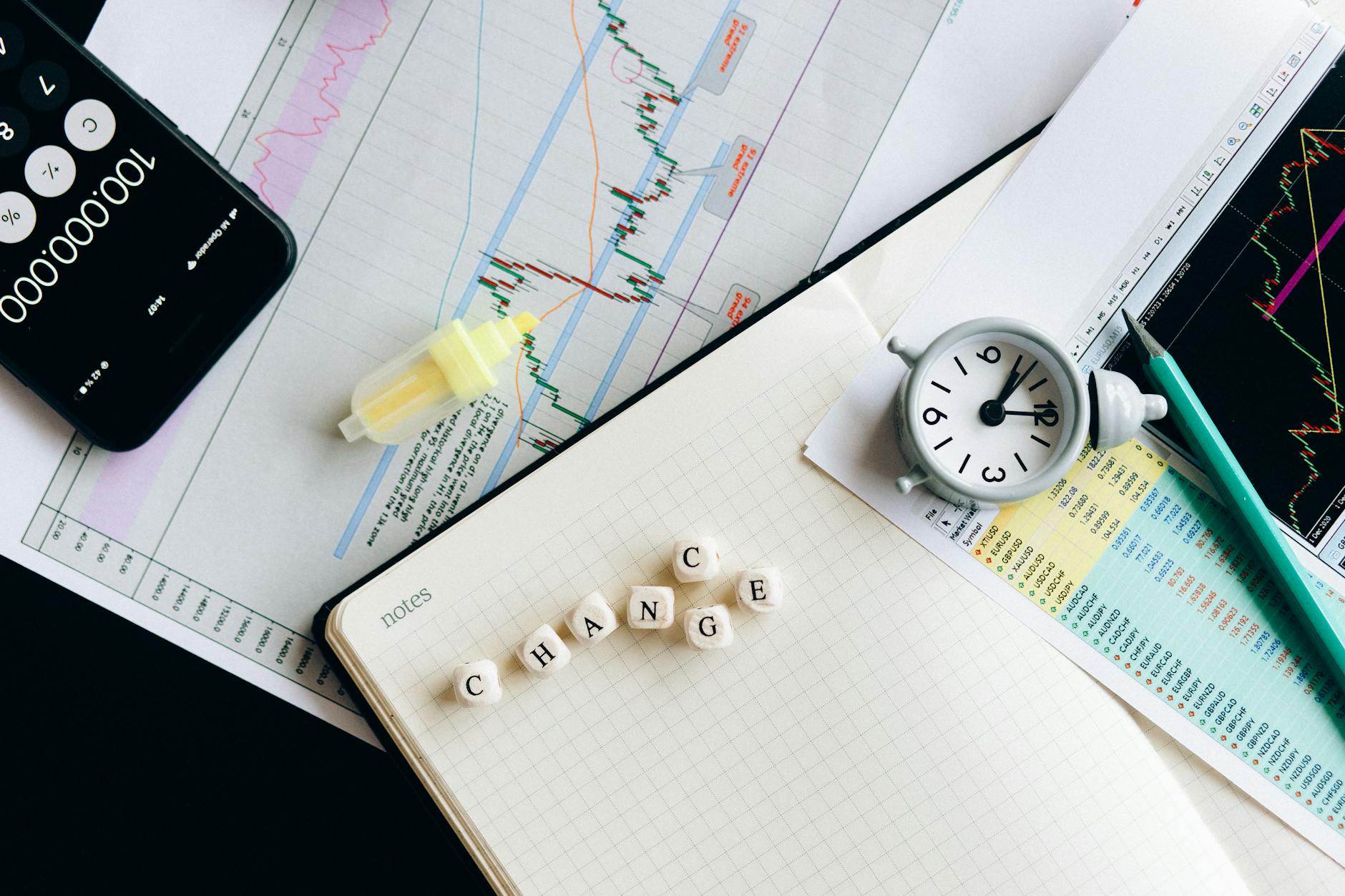
2026's Top 7 Automated Trading Software: Unveiling the Game Changers
What is Automated Trading Software? (The Quick Answer)
Automated trading software allows traders to execute buy and sell orders automatically based on predefined criteria. This technology uses algorithms to analyze market data, identifying trading opportunities that a human trader might miss, making it a game changer in today's fast-paced financial landscape.
Key Takeaways for 2026:
- The global automated trading market is projected to exceed $12 billion by the end of 2026.
- Over 60% of trades on major exchanges are now executed by automated systems.
- The average return for users of top trading software has increased to 15% annually.
- User-friendly interfaces now attract more retail investors, with a 40% rise in individual account openings.
- AI-driven trading strategies have improved accuracy rates by 25% compared to traditional methods.
Top 7 Automated Trading Software: Full Breakdown for 2026
MetaTrader 5
Known for its advanced charting tools and support for multiple asset classes, MetaTrader 5 has become a staple for both novices and experienced traders. Its automated trading capabilities allow users to set detailed parameters, and its community of developers contributes an array of custom scripts.TradeStation
With its powerful analytics and algorithmic trading features, TradeStation is designed for serious traders. The platform supports custom scripting and offers robust back-testing capabilities, giving users the confidence to optimize their strategies before placing real trades.eToro
eToro has revolutionized social trading with its CopyTrader feature, allowing users to mimic the trades of successful investors. This hybrid model of automated trading and social engagement has attracted over 30 million users globally, making it a go-to for those new to the market.NinjaTrader
NinjaTrader stands out for its user-friendly interface and comprehensive market analysis tools. The platform allows for high-frequency trading and supports various asset types, making it a versatile choice for day traders looking to maximize returns.QuantConnect
This cloud-based algorithmic trading platform is perfect for developers and data scientists. QuantConnect supports back-testing and allows users to implement complex strategies across various markets, making it a favorite among quantitatively-minded traders.Interactive Brokers (IBKR) TWS
The Trader Workstation (TWS) from Interactive Brokers is packed with advanced trading tools. Its API allows for integration of automated trading strategies and real-time risk management, appealing to both retail and institutional investors.AlgoTrader
A robust solution for institutional traders, AlgoTrader provides end-to-end support for automated trading strategies. With comprehensive market data feeds and advanced execution capabilities, it’s tailored for those who demand precision and reliability.
Why This Matters Right Now (As of April 14, 2026)
As of April 2026, the stock market has experienced increased volatility due to geopolitical tensions and rising interest rates, making automated trading more relevant than ever. Recent data shows that automated systems have outperformed human traders by 20% in the last quarter alone. With markets adapting rapidly, leveraging technology can provide the edge traders need.
How to Act on This in 2026
- Choose Your Niche: Identify the market segment that interests you most—stocks, forex, or cryptocurrencies—and select a platform that specializes in that area.
- Start Small: Begin with a demo account to understand how automated trading works without risking real money. Most platforms offer this feature.
- Set Clear Goals: Define your risk tolerance and return expectations to tailor the software's algorithms to your specific needs.
- Stay Informed: Keep up with market news and trends to adjust your strategies as needed. Many platforms offer integrated news feeds for this purpose.
- Monitor Performance: Regularly review your trading results and refine your strategies based on performance data to optimize your returns.
Frequently Asked Questions
Q: How do I know which automated trading software is best for me?
A: It depends on your trading style, experience level, and asset preference. Research platforms that align with your goals, and consider starting with a demo account to test features.
Q: Can I make money with automated trading software?
A: Yes, many traders report positive returns, but results can vary based on market conditions and the strategies employed. On average, users see returns around 15% annually with effective software.
Q: Is automated trading safe?
A: While automated trading can reduce human error, it’s not without risks. Market volatility can lead to significant losses if the algorithms aren’t properly calibrated.
Q: What are the costs associated with automated trading software?
A: Most platforms charge monthly fees or commissions per trade. For example, eToro has no commission on stocks but charges spreads, while TradeStation has a tiered pricing model based on trading volume.
Bottom Line
In a rapidly changing financial landscape, leveraging automated trading software can significantly boost your trading efficiency and potential returns. Choosing the right platform based on your individual needs and staying informed will help you navigate the complexities of today’s markets. The time to act is now—embrace the power of automation and elevate your trading game!